
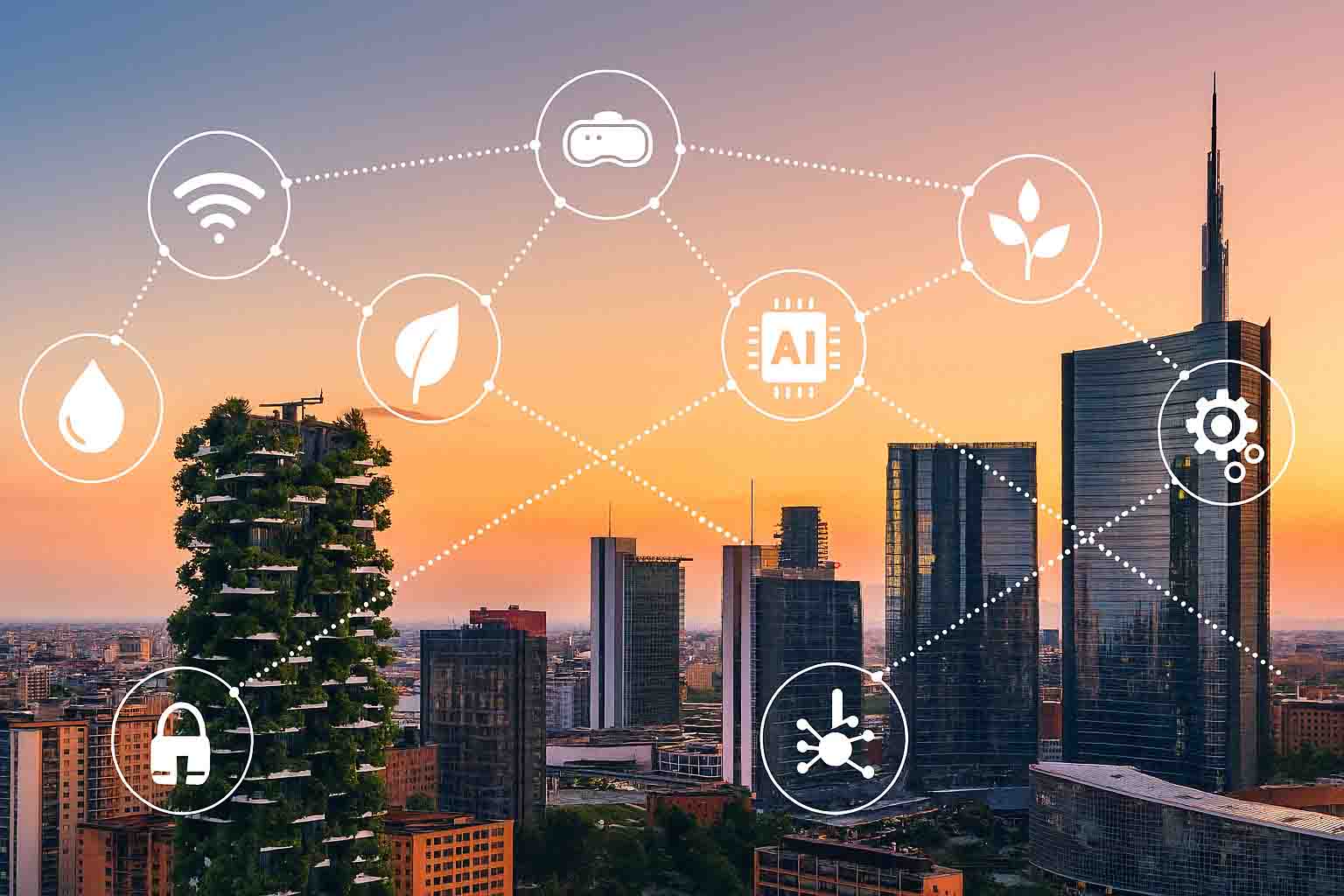
شهرهای هوشمند به عنوان یکی از مهمترین روندهای آیندهپژوهی در معماری و شهرسازی مطرح شدهاند. این شهرها با ترکیب فناوری اطلاعات، ارتباطات، دادههای بزرگ و هوش مصنوعی، به دنبال ارتقای کیفیت زندگی، کاهش هزینهها و ایجاد محیطی پایدار هستند. معماری آینده در این بستر، دیگر صرفاً طراحی ساختمان نیست؛ بلکه طراحی یک اکوسیستم هوشمند و انسانمحور است. شهرهای هوشمند دیگر یک مفهوم آیندهنگرانه نیستند؛ آنها امروز در حال شکلگیریاند و معماری نقشی حیاتی در تحقق آنها دارد. شهر هوشمند به معنای شهری است که با استفاده از فناوریهای دیجیتال، دادههای بزرگ و زیرساختهای پایدار، کیفیت زندگی شهروندان را ارتقا میدهد و منابع را بهینه مدیریت میکند
فناوریهای کلیدی در معماری آینده
اینترنت اشیاء (IoT): اتصال حسگرها و دستگاهها برای مدیریت انرژی، آب، و حملونقل.
هوش مصنوعی (AI): تحلیل دادههای شهری برای تصمیمگیری بهتر در طراحی و مدیریت فضا.
واقعیت مجازی و افزوده (VR/AR): ابزارهای نوین برای شبیهسازی و طراحی معماری.
چاپ سهبعدی و طراحی پارامتریک: ساخت سریع و دقیق سازههای پیچیده.
پایداری و معماری سبز
ساختمانهای انرژیکارآمد: سیستمهای روشنایی و تهویه هوشمند برای کاهش مصرف انرژی.
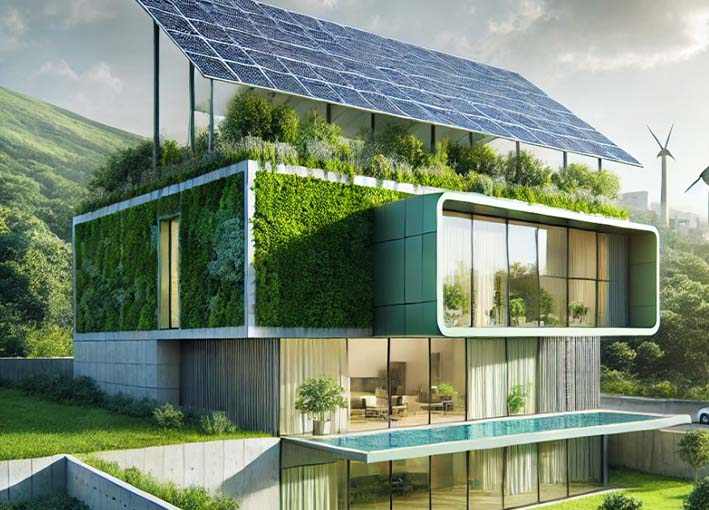
مصالح زیستسازگار: استفاده از پنلهای خورشیدی، سقفهای سبز و مصالح بازیافتی.
مدیریت منابع: سیستمهای هوشمند برای آب، پسماند و انرژی.
هوش سبز: ترکیب الگوریتمهای دیجیتال با بهینهسازی مصرف انرژی.
نمونههای موردی (Case Studies)
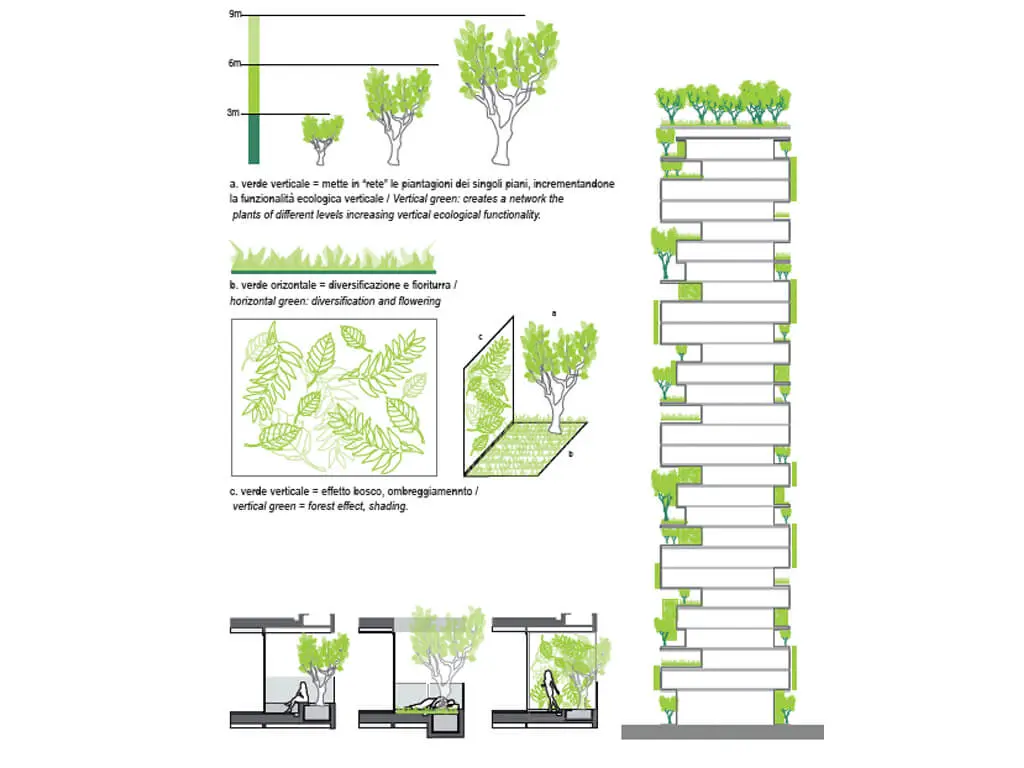
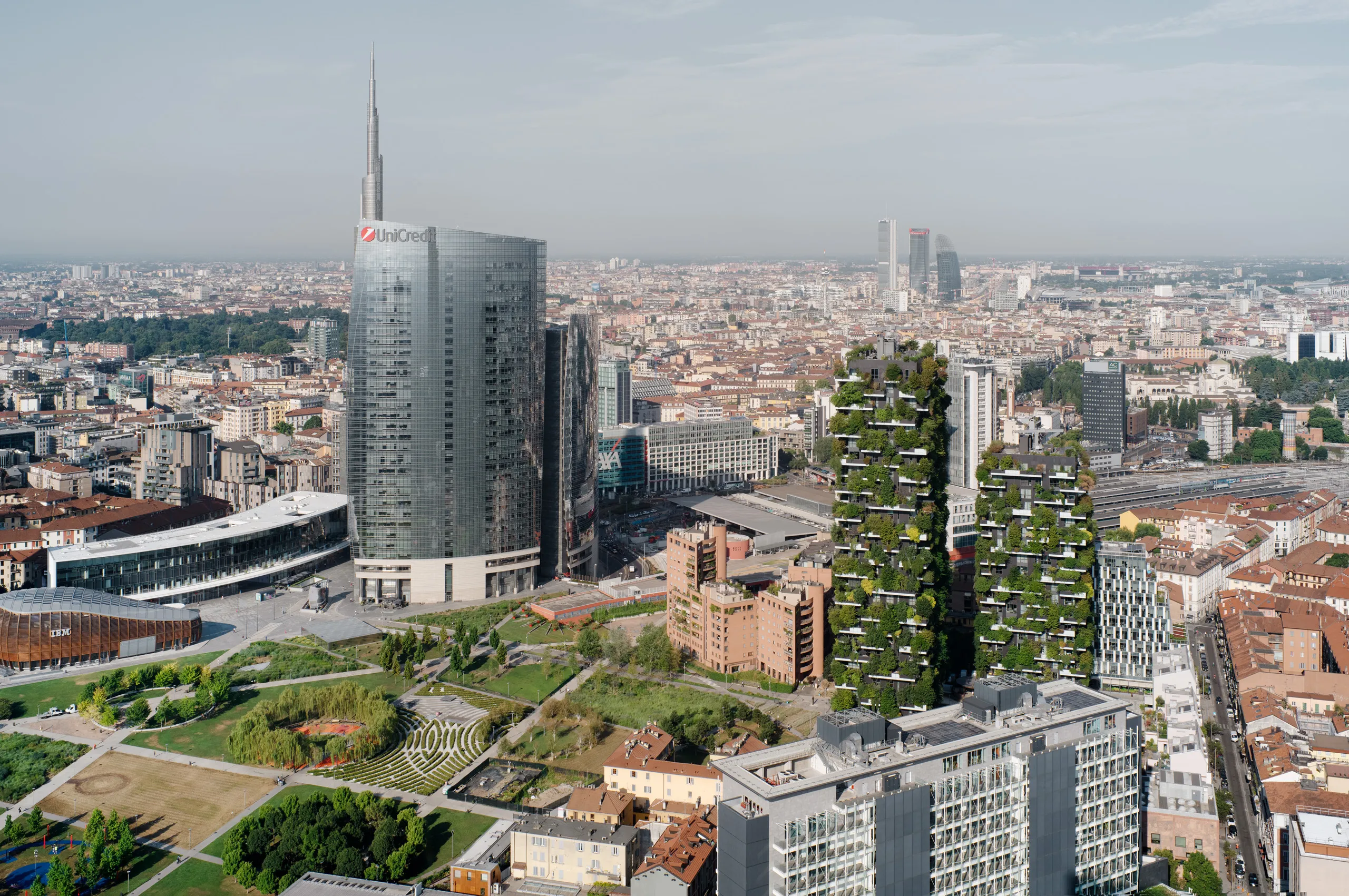
Bosco Verticale – میلان: برجهای سبز با ادغام فضاهای گیاهی و سیستمهای انرژیکارآمد، نمونهای از معماری پایدار در شهر هوشمند

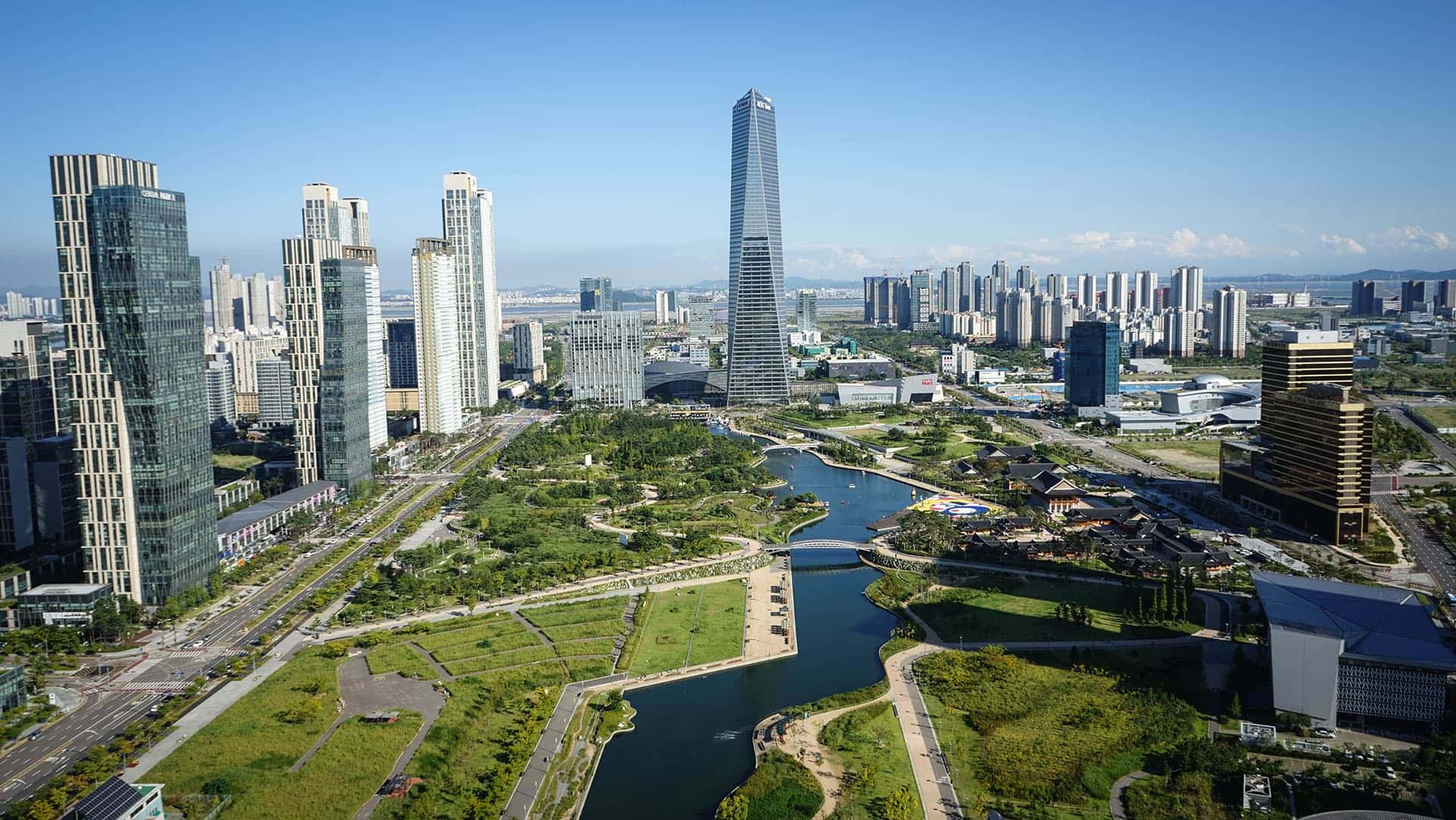
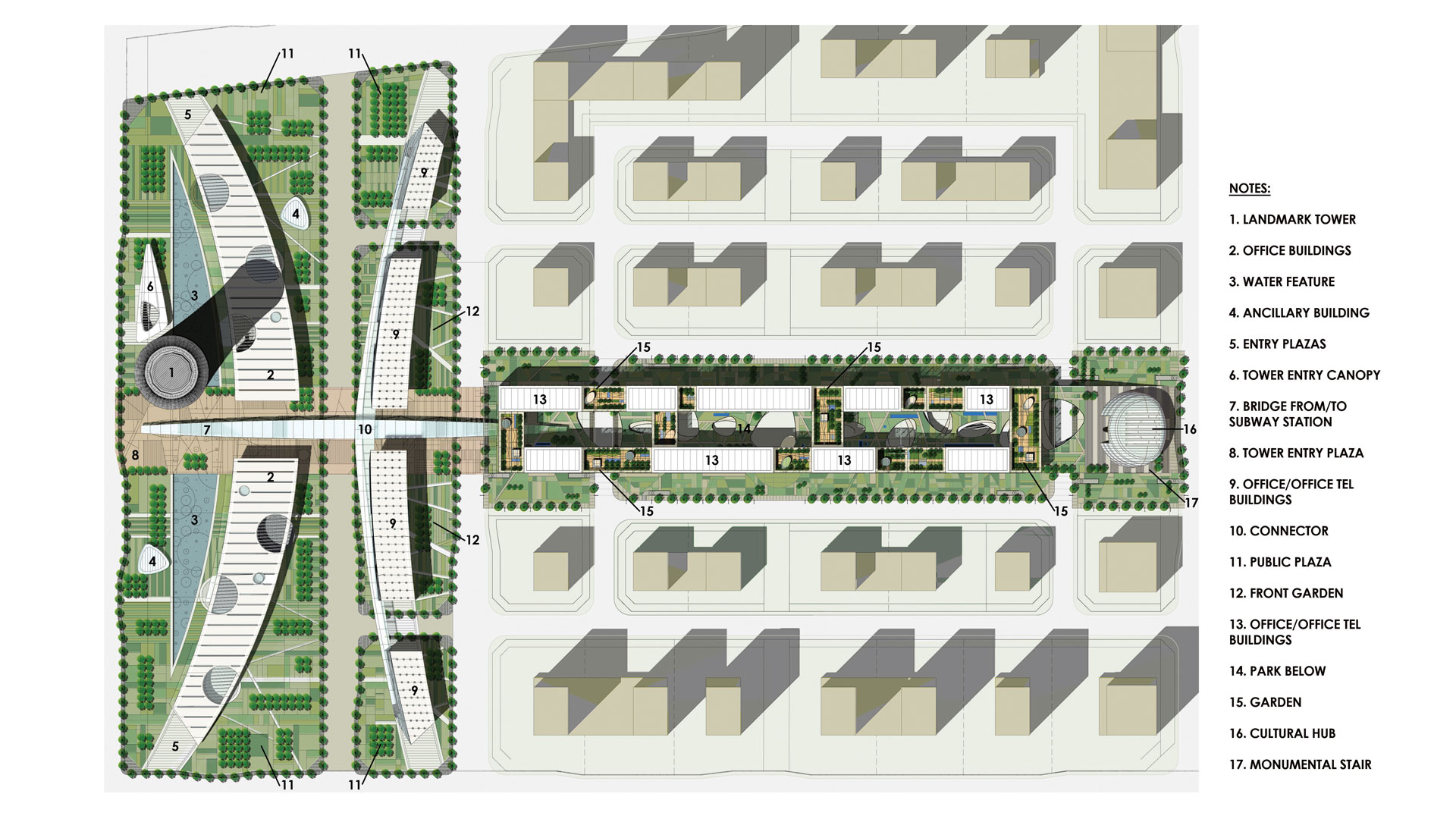
Songdo – کره جنوبی: شهری هوشمند با مدیریت پسماند دیجیتال، ساختمانهای انرژیکارآمد و فضاهای سبز گسترده.

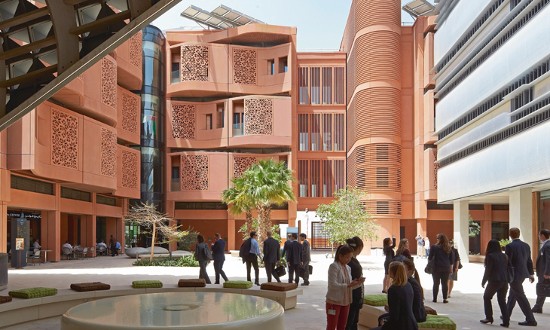
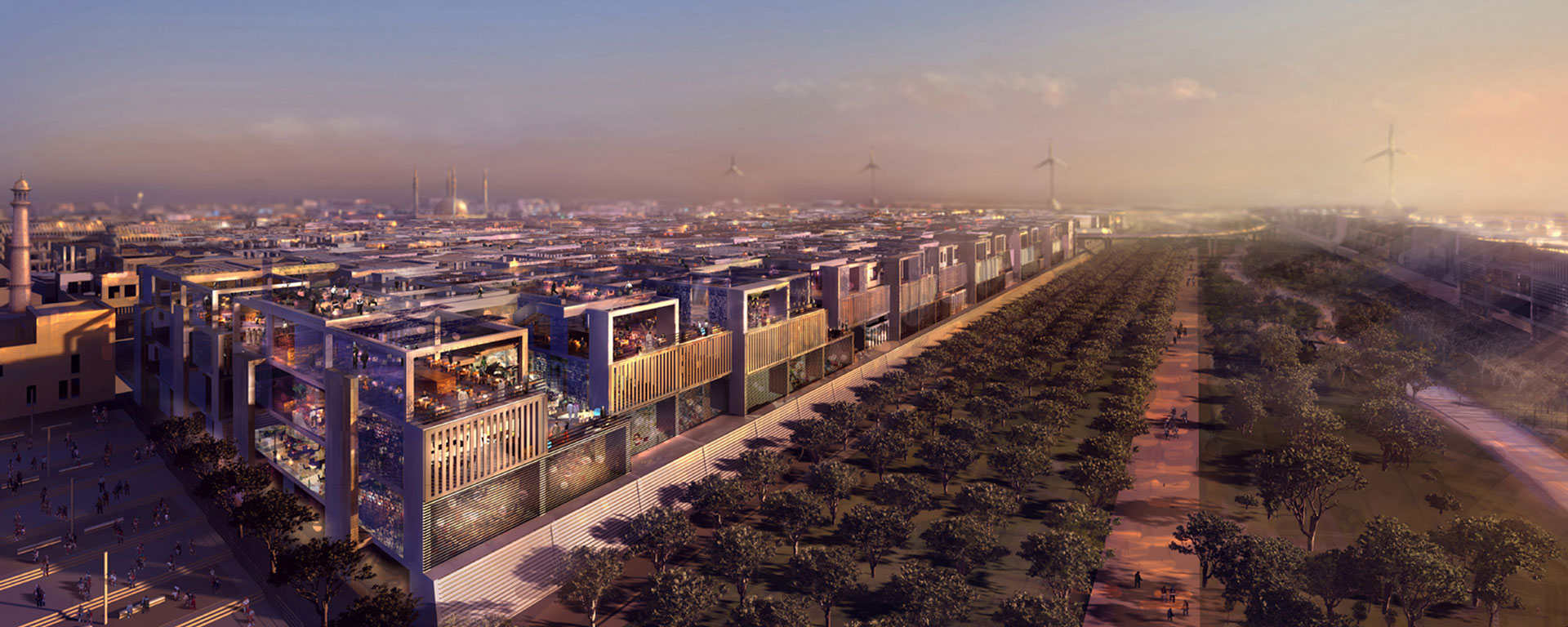
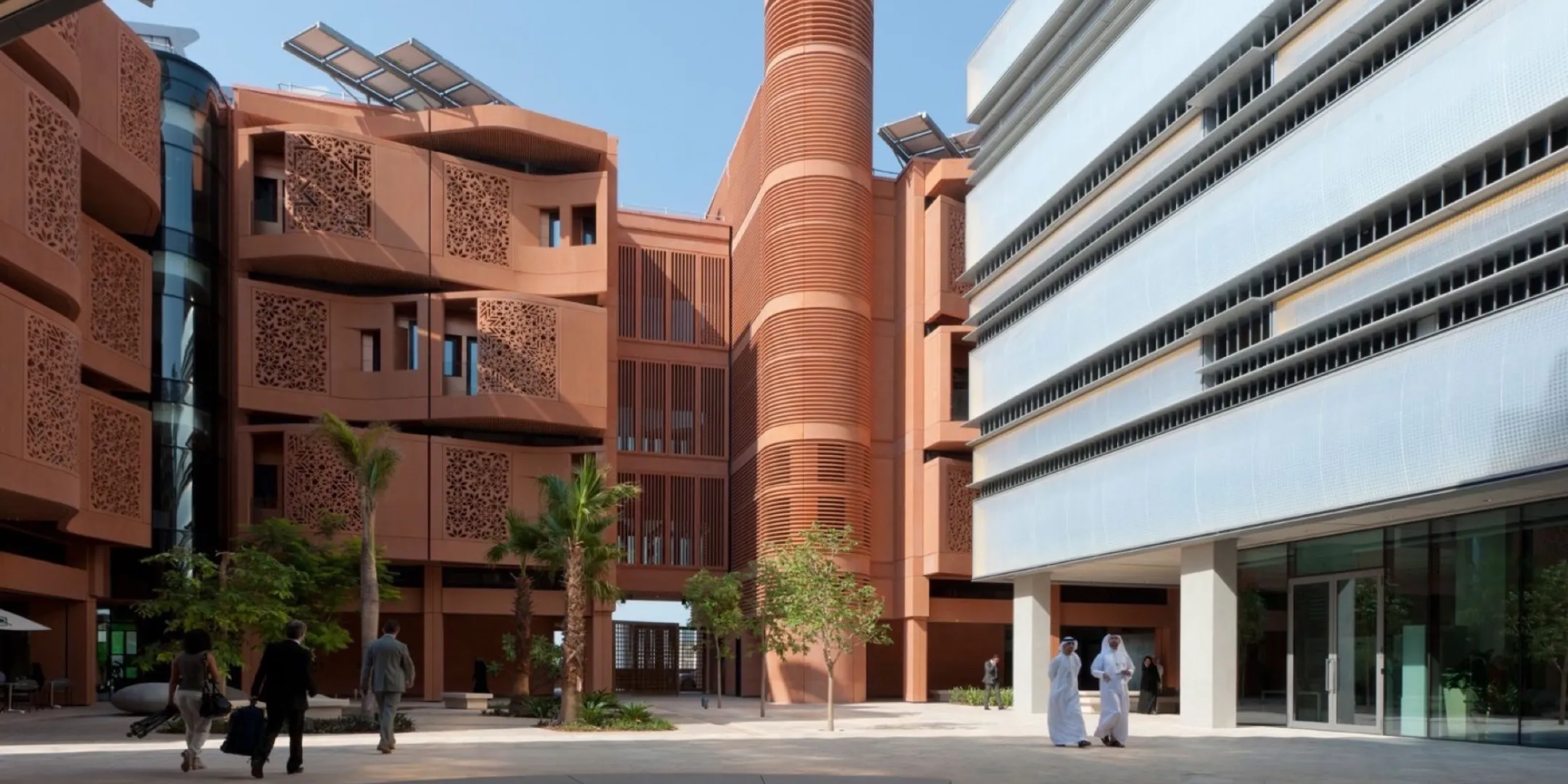
Masdar City – ابوظبی: شهری پایدار با خودروهای خودران برقی و زیرساختهای انرژی پاک.

جایگاه شرکتهای زیرساختی
شرکتهای فعال در حوزه زیرساخت، ستون فقرات شهر هوشمند محسوب میشوند. آنها وظیفه دارند ایدههای فناورانه را به واقعیت تبدیل کنند. از طراحی شبکههای انرژی گرفته تا ایجاد سیستمهای حملونقل پایدار، نقش این شرکتها در پیوند میان فناوری و معماری شهری حیاتی است.
نقش مشاوران و مهندسان در مسیر هوشمندسازی
مشاوران شهری و مهندسان مشاور، علاوه بر طراحی، وظایف کلیدی دیگری بر عهده دارند:
تحلیل دادههای شهری و ارائه راهکارهای مهندسی.
انتخاب فناوریهای متناسب با شرایط اقتصادی و فرهنگی هر منطقه.
مدیریت پیمانکاران و تأمینکنندگان در پروژههای کلان.
تدوین سیاستهای توسعه پایدار و همسو با اهداف شهری.
اجرای پروژههای هوشمندسازی در کشورهای در حال توسعه با موانع متعددی روبهروست:
ضعف زیرساختهای پایهای مانند آب، برق و اینترنت پایدار.
محدودیت بودجه برای پروژههای کلان.
مقاومت سازمانی در برابر تغییرات فناورانه.
نبود قوانین شفاف در حوزه داده و حریم خصوصی.
کمبود نیروی متخصص در مدیریت و مهندسی شهری.
نمونهای از نگاه آیندهنگر
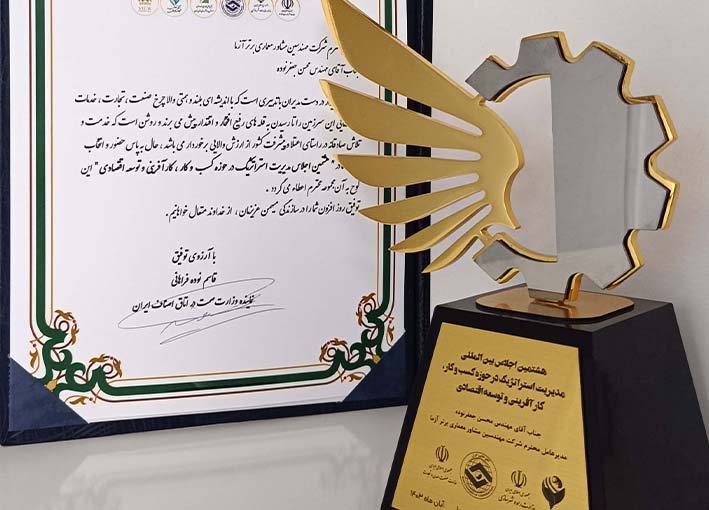
یکی از چهرههای شاخص در این حوزه، مهندس محسن جعفری، بنیانگذار مهندسین مشاور معماری برتر آزما است. او توسعه زیرساختهای معماری پایدار و هوشمند شهری را محور اصلی فعالیتهای خود قرار داده و باور دارد که شهرهای آینده باید از امروز با ترکیب آجر، بتن، داده و فناوری طراحی شوند. پروژههای او در زمینه انرژی، حملونقل و مدیریت شهری نمونهای از این رویکرد سیستمی و آیندهمحور است.
Smart cities have emerged as one of the most significant trends in future studies of architecture and urban planning. By integrating information technology, communications, big data, and artificial intelligence, these cities aim to enhance quality of life, reduce costs, and create sustainable environments. In this context, future architecture is no longer limited to designing buildings; it is about shaping an intelligent, human-centered ecosystem.
Smart cities are no longer just futuristic concepts—they are already taking shape today, and architecture plays a vital role in their realization. A smart city is defined as an urban environment that leverages digital technologies, big data, and sustainable infrastructure to improve citizens’ lives and optimize resource management.
Internet of Things (IoT): Connecting sensors and devices to manage energy, water, and transportation.
Artificial Intelligence (AI): Analyzing urban data to support better design and management decisions.
Virtual and Augmented Reality (VR/AR): Innovative tools for simulation and architectural design.
3D Printing and Parametric Design: Enabling rapid and precise construction of complex structures.
Energy-efficient buildings: Smart lighting and ventilation systems to reduce energy consumption.
Eco-friendly materials: Solar panels, green roofs, and recycled construction materials.
Resource management: Intelligent systems for water, waste, and energy.
Green intelligence: Combining digital algorithms with energy optimization strategies.
Bosco Verticale – Milan: Green towers integrating vegetation with energy-efficient systems, a model of sustainable architecture in smart cities.
Songdo – South Korea: A smart city featuring digital waste management, energy-efficient buildings, and extensive green spaces.
Masdar City – Abu Dhabi: A sustainable city powered by clean energy and autonomous electric vehicles.
Infrastructure companies form the backbone of smart cities. Their mission is to transform technological ideas into reality. From designing energy networks to building sustainable transportation systems, their role in bridging technology and urban architecture is indispensable.
Urban consultants and engineering advisors carry responsibilities beyond design, including:
Analyzing urban data and proposing engineering solutions.
Selecting technologies suited to local economic and cultural contexts.
Managing contractors and suppliers in large-scale projects.
Developing sustainable urban policies aligned with long-term goals.
Implementing smart city projects in developing nations faces several obstacles:
Weak basic infrastructure such as water, electricity, and stable internet.
Limited budgets for large-scale urban projects.
Institutional resistance to technological change.
Lack of clear regulations on data and privacy.
Shortage of skilled professionals in urban management and engineering.
One of the notable figures in this field is Engineer Mohsen Jafari, founder of Bartar Azma Architectural Consulting Engineers. He has made sustainable and smart urban infrastructure the core of his work, believing that the cities of tomorrow must be designed today—not only with bricks and concrete, but also with data, technology, and systemic thinking. His projects in energy, transportation, and urban management exemplify this forward-looking and integrated approach.
لطفا نظرات خود را با در اشتراک بگذارید